A good home or garden purchase should solve a practical problem, fit your space, and work with the way you live. An attractive photo or a large discount is a starting point—not enough information to make the decision.
This guide explains how to choose furniture, storage, kitchen products, outdoor furnishings, gardening supplies, and other Home and Garden items. Start with your needs, compare exact specifications, and check delivery and installation details before buying.
ShopZang’s Home and Garden directory includes indoor furniture, outdoor furniture, cookware and kitchen appliances, pots and planters, gardening tools, sheds, heating and cooling products, pool supplies, and more. Individual products and availability can change.
Browse the Available Products
Visit the ShopZang category directory and scroll to Home and Garden. Use the groups below to narrow your search before opening individual listings.
| Shopping Group | Examples in the Directory | Main Buying Checks |
|---|---|---|
| Indoor Furniture | Desks, dining chairs, console tables, end tables, nightstands, benches, and TV stands. | Dimensions, intended use, construction, comfort, load limits, and assembly. |
| Storage and Organization | Armoires, wardrobes, file cabinets, storage cabinets, storage ottomans, and coat racks. | Internal capacity, shelf dimensions, opening clearance, load limits, and anchoring instructions. |
| Kitchen and Household Appliances | Cookware and bakeware, countertop ovens, deep fryers, washing machines, and water dispensers. | Capacity, connections, installation requirements, cleaning, and ongoing costs. |
| Outdoor Furniture and Shade | Outdoor chairs, tables, benches, furniture sets, porch swings, umbrellas, and sunshades. | Outdoor-use specifications, dimensions, maintenance, stability, and storage. |
| Gardening | Gardening tools, pots, and planters. | The intended task, dimensions, handling, drainage, and material suitability. |
| Outdoor Structures | Sheds, garages, and carports. | Site measurements, foundation requirements, anchoring, assembly, and local rules. |
| Heating and Cooling | Fireplaces, patio heaters, HVAC controls, and air conditioner accessories. | Exact compatibility, intended location, installation requirements, and safety clearances. |
| Pool and Spa | Pool and spa products, spas, pool sweeps, and vacuums. | System compatibility, installation, maintenance, replacement parts, and operating requirements. |
A category listing does not confirm that a particular item is in stock or suitable for your home. Check the exact product and the vendor’s current information before purchasing.
1. Decide What the Purchase Needs to Do
Start with the problem you want to solve. “I need somewhere to store cleaning supplies” is more useful than “I want a new cabinet.” A clear purpose helps you compare products by function instead of appearance alone.
- Where will the item be used?
- Who will use it, and how often?
- What must it hold, support, accommodate, or connect to?
- What features are essential rather than optional?
- How much cleaning, maintenance, and assembly are you willing to do?
- What is your full budget, including delivery and installation?
Write a Short Purchase Brief
For example: “I need a desk that fits this wall, accommodates my equipment, and leaves room for my chair,” or “I need outdoor seating that fits the patio and can be stored during severe weather.”
Keep that brief beside you while browsing. If a product does not meet an essential requirement, remove it from your short list even if you like its appearance.
2. Measure the Space—and the Route Into It
Measure more than the floor area where an item will sit. Include the space needed to use, open, clean, or move around it.
| Measurement | What to Include |
|---|---|
| Overall dimensions | Width, depth, and height of the assembled product. |
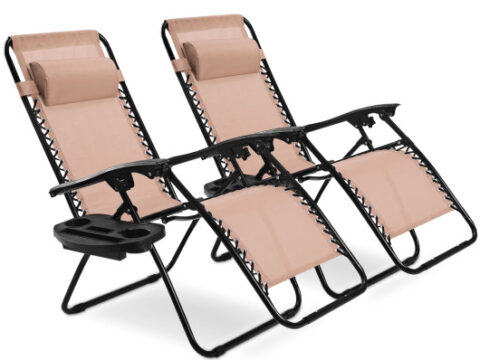
| Operating space | Room for doors, drawers, reclining parts, lids, chairs, or other moving components. |
| Installation clearances | Any ventilation, service, or safety space specified by the manufacturer. |
| Delivery route | Doorways, halls, stairs, elevators, corners, gates, and access restrictions. |
| Packaged dimensions | The carton or delivery-unit size—not just the assembled measurements. |
| Usable capacity | Internal shelves, drawers, seating area, appliance cavity, or storage opening. |
For furniture, try marking its footprint on the floor with removable tape. Walk around the area and check nearby doors and drawers. This is a planning aid, not a substitute for the manufacturer’s required clearances.
3. Choose Indoor Furniture and Storage for Everyday Use
Tables, Desks, and Seating
Compare the dimensions with how you intend to use the item. For a desk, consider the work surface, equipment, chair position, and cable access. For dining furniture, compare table and chair measurements together rather than assuming separately purchased pieces will work as a set.
- Check the stated construction materials and finish.
- Review the manufacturer’s load limits.
- Confirm what assembly is required and which tools are needed.
- Check cleaning instructions before choosing a finish or upholstery.
- If comfort matters, understand the return terms when buying without trying the item.
Cabinets, Wardrobes, and Storage Ottomans
List what you plan to store, then compare internal measurements. A cabinet can fit the room while still being too shallow for the items you want to place inside it.
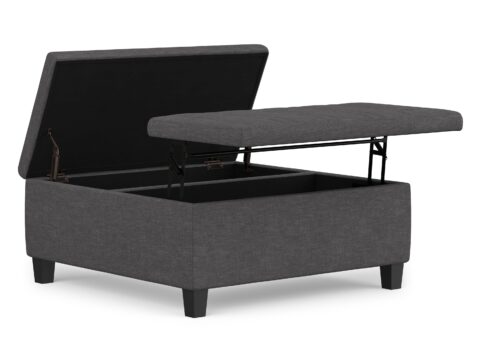
Check shelf adjustability, drawer dimensions, door clearance, hinges, and any locking or anchoring instructions. For storage ottomans, review the lid mechanism and intended use rather than assuming every model is designed as seating.
Plan for Tip-Over Prevention
The U.S. Consumer Product Safety Commission recommends securing top-heavy furniture and TVs to prevent tip-overs. Review anchoring instructions before purchasing and install the appropriate anti-tip hardware as directed.
Read CPSC’s Anchor It! furniture safety guidance.
4. Compare Kitchen Products and Appliances by How You Will Use Them
Cookware and Bakeware
Begin with the foods and quantities you normally prepare. Check cookware dimensions, usable capacity, care instructions, and compatibility with your cooking equipment.
- Is it suitable for your cooktop, including induction if applicable?
- Does it fit inside your oven or storage space?
- What temperature limits apply to the pan, lid, coating, and handles?
- What cleaning methods and utensils does the manufacturer permit?
- Are lids or accessories included?
Do not assume every piece in a cookware set has the same limits. Check instructions for the exact item.
Countertop Appliances
For ovens, fryers, and similar products, compare usable capacity as well as external size. Read the operating instructions for required clearances, outlet requirements, ventilation, and permitted placement.
Look for removable parts you can clean as instructed, controls you can use comfortably, and replacement accessories you can obtain. Avoid buying extra functions unless you expect to use them.
Larger Household Appliances
For items such as washing machines, confirm utility connections, installation requirements, delivery access, and removal options for the old unit. Ask who is responsible for connections and whether installation is included in the quoted price.
5. Choose Outdoor Furniture and Shade for Your Location
Outdoor products need to fit both your space and your maintenance routine. A covered porch, exposed patio, and small balcony present different purchasing questions.
Outdoor Chairs, Tables, and Furniture Sets
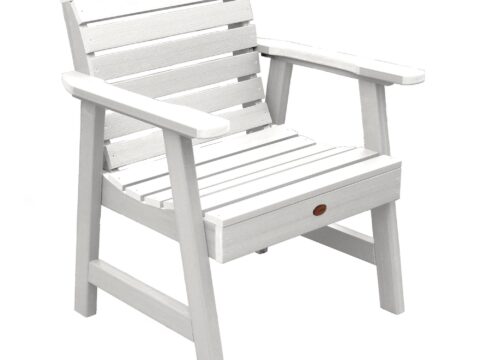
- Measure the full arrangement, including space to move chairs.
- Check whether the product is intended for outdoor use.
- Review material and finish care instructions.
- Check stated weight limits and assembly requirements.
- Confirm whether cushions are included and how they should be stored.
- Plan where pieces will go when the manufacturer recommends protected storage.
Treat terms such as “weather-resistant” as a starting point for questions. Read the specific exposure, maintenance, and storage guidance rather than assuming a product can remain outside indefinitely without care.
Umbrellas and Sunshades
Check the canopy dimensions, pole diameter, mounting method, and required base or support. Confirm whether the base is included. Follow the manufacturer’s wind and closure instructions; do not assume a heavier base makes an umbrella suitable for every condition.
Porch Swings
Confirm the required support structure, hardware, installation method, and load limit. If the suitability of the mounting location is uncertain, consult a qualified installer before purchasing.
6. Select Gardening Tools and Planters Around the Task
Gardening Tools
Identify the work you need to do before selecting a tool. Compare dimensions, weight, grip, reach, and the manufacturer’s intended use.
- Can you handle the tool comfortably for the planned task?
- Does the size suit the area where you will work?
- What cleaning, sharpening, or other maintenance is required?
- Are replacement parts available when relevant?
- What protective equipment do the instructions specify?
For powered tools, check the exact battery and charger compatibility. A shared brand name does not necessarily mean every battery system is interchangeable.
Pots and Planters
Choose around the plant’s needs and the intended location. Compare internal dimensions, drainage arrangements, material specifications, and the weight of the container once filled.
Before placing a large planter on a balcony, raised deck, or other elevated structure, confirm any relevant load restrictions with the property owner or an appropriate professional.
If selecting a container for edible plants, check that its intended use and manufacturer information are appropriate for that purpose rather than assuming any decorative container will do.
7. Plan the Site Before Buying a Shed or Outdoor Structure
For sheds, garages, and carports, the listed product price is only one part of the project. Understand the site and installation requirements before ordering.
- Measure the available site and required access around it.
- Review foundation, anchoring, and ground-preparation requirements.
- Check local permit, setback, property, and association rules where applicable.
- Confirm suitability for local conditions using the manufacturer’s specifications and professional advice.
- Check whether flooring, hardware, and installation are included.
- Confirm delivery access and how the packaged materials will be unloaded.
Ask a qualified installer about any uncertain structural or site requirements. Do not assume that a product described as a kit requires no professional work.
8. Check Heating, Cooling, and Fireplace Products Carefully
These purchases require exact intended-use and compatibility checks. Appearance, brand, and price are not enough to establish that a control, accessory, or heating product is suitable.
HVAC Controls and Air Conditioner Accessories
Match the exact equipment model and system requirements. Ask the manufacturer or a qualified technician to confirm compatibility when needed. Similar-looking connectors or controls do not establish interchangeability.
Fireplaces and Heating Products
Read installation, fuel or power, ventilation, clearance, and maintenance requirements before buying. Confirm who is qualified to install or service the product and include that work in your budget.
Patio Heaters
Use outdoor heaters only in locations permitted by their instructions. CPSC warns that outdoor heaters must never be used indoors because of potentially deadly carbon monoxide hazards.
Read CPSC’s warning about outdoor heaters.
Do not improvise fuel connections, ventilation, or electrical arrangements. Consult a qualified professional whenever the requirements are unclear.
9. Compare Pool and Spa Accessories by Exact Compatibility
For pool cleaners, vacuums, and related accessories, begin with your existing system’s specifications and the intended cleaning task.
- Check the pool or spa type and the manufacturer’s compatibility list.
- Compare connection, hose, power, and operating requirements.
- Confirm which components are included.
- Review cleaning and storage instructions.
- Check the cost and availability of replacement parts.
- Ask about warranty and technical support.
For a spa purchase, establish installation, electrical, base, access, and maintenance requirements before ordering. Use qualified professionals for work that requires specialist knowledge.
10. Calculate the Full Cost of Ownership
A lower product price may not represent the lower total cost. Compare delivery, setup, ongoing maintenance, and replacement requirements.
| Cost | What to Check |
|---|---|
| Purchase price | The exact size, finish, configuration, and included components. |
| Delivery | Shipping, freight surcharges, access restrictions, and the delivery service level. |
| Assembly and installation | Labor, required tools, fittings, site preparation, and specialist work. |
| Accessories | Required bases, covers, mounting hardware, batteries, or other items sold separately. |
| Operation | Relevant power, water, fuel, or consumable requirements. |
| Maintenance | Cleaning, protective treatments, servicing, and replacement parts. |
| Returns and removal | Return freight, restocking fees, disassembly, and old-item disposal. |
Prioritize the features that solve your actual problem. A simpler product with suitable specifications and accessible support may be a better fit than one with options you will not use.
11. Use a Short Product-Comparison Worksheet
Choose two or three potentially suitable products and compare them using the same criteria. Remove any option that fails an essential space, compatibility, or safety requirement.
| Question | Option A | Option B | Option C |
|---|---|---|---|
| Meets the intended purpose? | Yes / No / Unclear | Yes / No / Unclear | Yes / No / Unclear |
| Fits the space and delivery route? | Record measurements | Record measurements | Record measurements |
| Required specifications confirmed? | Record details | Record details | Record details |
| Assembly and installation understood? | Record requirements | Record requirements | Record requirements |
| Maintenance suits your routine? | Record requirements | Record requirements | Record requirements |
| Total initial cost? | Include extras | Include extras | Include extras |
| Warranty, parts, and returns acceptable? | Record terms | Record terms | Record terms |
Use “unclear” as a prompt to ask questions. Do not fill information gaps with assumptions based on a photograph or a similar product.
12. Check the Retailer and Purchase Terms
Before payment, verify the product and the service you are purchasing.
- Confirm the exact model, color, size, finish, and quantity.
- Check whether photos show optional accessories or multiple items.
- Read the live availability and estimated dispatch information.
- Confirm whether delivery is curbside, threshold, room-of-choice, or another service.
- Check assembly and installation inclusions.
- Read return deadlines, condition requirements, and freight charges.
- Review warranty coverage, exclusions, and the process for obtaining support.
- Save the order confirmation and product specifications.
Inspect the Delivery Before Assembly or Installation
Check the retailer’s delivery-inspection procedure in advance. When the item arrives, follow that procedure, document damage or missing parts, and contact the retailer promptly if something is wrong.
Do not assemble or use a product with suspected structural damage or missing safety components until the manufacturer or retailer resolves the issue.
How Buying Through ShopZang Works
- Visit the ShopZang Home and Garden category directory and browse Home and Garden.
- Choose a section that matches your purchase brief.
- Open relevant listings and build a short list.
- Select “Buy At Vendor’s Site” to review the retailer’s current information.
- Confirm measurements, specifications, delivery, installation, and returns.
- Complete your purchase with the retailer if the item meets your requirements.
ShopZang earns commissions from qualifying affiliate purchases. You complete your transaction with the vendor, so check that vendor’s terms before buying.
Frequently Asked Questions
What should I check first when buying a Home and Garden product?
Define its purpose, then check whether it fits the location and intended use. A product that fails an essential dimension, compatibility, or installation requirement should not stay on your short list because of its price.
How do I know whether furniture will fit?
Compare assembled dimensions with the available space, include operating clearance, and measure the delivery route. Check packaged dimensions and assembly arrangements with the retailer as well.
Is a furniture set better value than separate pieces?
Compare the pieces you will actually use, their measurements, materials, and total delivered cost. A set is not automatically better value if it includes items you do not need or that do not fit.
Does “weather-resistant” mean outdoor furniture needs no maintenance?
Do not assume so. Follow the specific manufacturer’s care, exposure, and storage instructions for the exact product.
Can I choose an appliance only by its external size?
No. Check usable capacity, operating clearances, power or utility requirements, and installation instructions as well as the outside dimensions.
Should I install a product myself?
Follow the manufacturer’s instructions and any applicable local requirements. Use a qualified professional when required or when you do not have the necessary knowledge, tools, or ability to complete the work safely.
Can outdoor heaters be used indoors?
No. CPSC warns against using outdoor heaters indoors because of carbon monoxide hazards. Follow the product’s intended-use and placement instructions.
Has ShopZang tested every Home and Garden product?
This guide does not claim that ShopZang has personally tested or independently certified every listed item. Use it as a comparison checklist and verify product-specific information with the manufacturer and retailer.
When should I wait instead of buying?
Wait when measurements, compatibility, installation requirements, or return terms remain unclear. It is better to resolve an essential question than purchase an unsuitable item because a promotion is ending.
Sources and Further Reading
- ShopZang: Current Category Directory
- CPSC: Anchor It! Furniture and TV Tip-Over Prevention
- CPSC: Never Use Outdoor Heaters Indoors
Choose for Your Space and Your Everyday Needs
Start with a clear purpose, measure carefully, compare exact specifications, and understand the full purchase cost. Shop for a product that works in your home—not just one that looks appealing in a listing.